Birmingham, Alabama
Birmingham's 276 Baptist Congregations: The Most Baptist City Per Capita in the United States
Two Baptist streams, Southern Baptist and National Baptist, both had reason to stay and build in Birmingham.
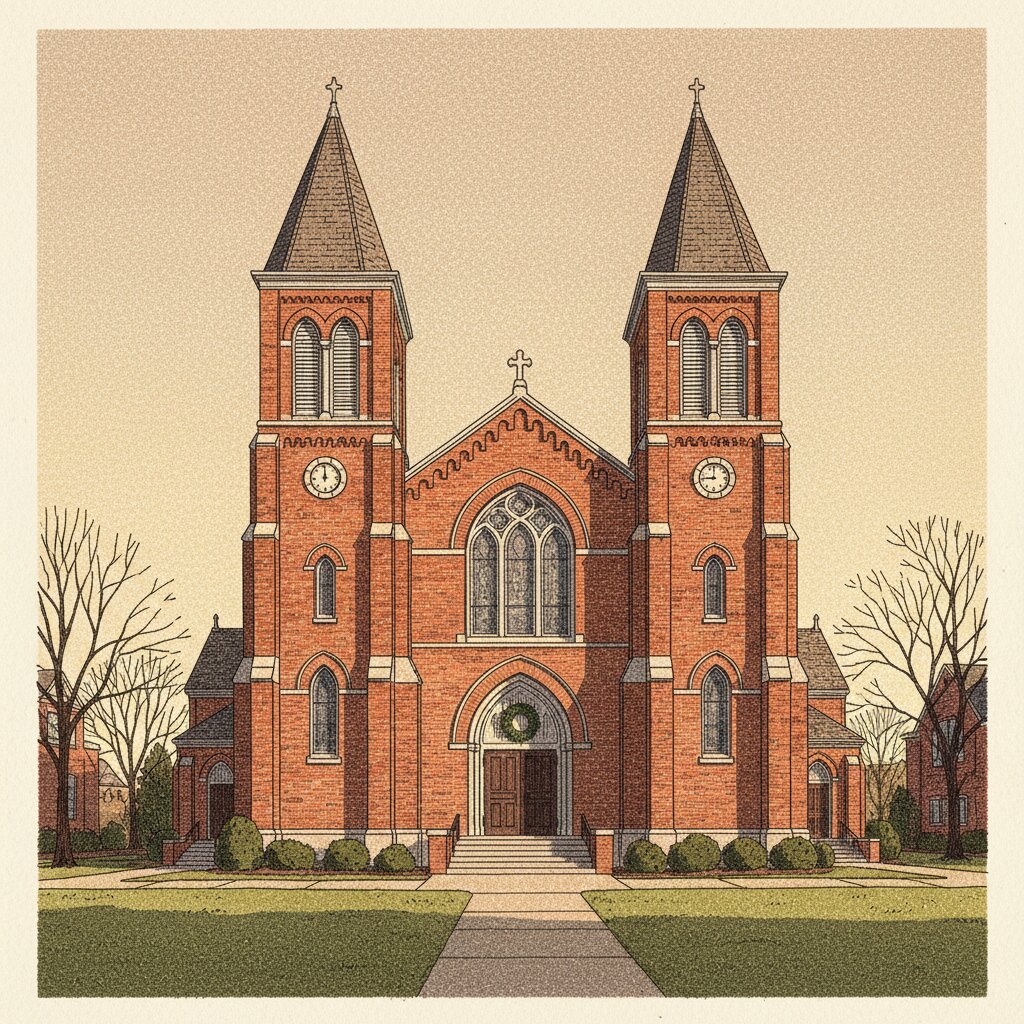
Birmingham records 276 Baptist congregations inside the city limits, a 52% share of all parishes, and the highest Baptist-per-capita count of any American city with a population above 200,000. The density reflects the steel-era SBC plantings and the continuing Black Baptist civil-rights-era network.
Birmingham, Alabama, records 276 Baptist congregations inside the city limits, the highest Baptist count per capita of any American city with a population above 200,000. Birmingham's Baptist share of total parishes runs near 52%, more than double the national urban average. The city's Baptist density reflects two overlapping histories: the late-nineteenth-century Southern Baptist plantings that accompanied the steel and coke industries, and the continuous presence of a Black Baptist civil-rights-era church network that included the Sixteenth Street Baptist Church, site of the 1963 bombing that killed four children.
Sixteenth Street Baptist Church: the 1963 bombing and the civil-rights anchor
Sixteenth Street Baptist Church at 1530 Sixth Avenue North is the most consequential Baptist parish in American civil-rights history. Founded in 1873 as the First Colored Baptist Church, the parish served as a mass-meeting organizing site for the 1963 Birmingham Campaign. On September 15, 1963, a bomb planted by Ku Klux Klan members detonated in the east stairwell, killing Addie Mae Collins, Cynthia Wesley, Carole Robertson, and Denise McNair. The congregation remained in the building, rebuilt the structure, and still operates the parish today with roughly 1,200 members. Sixteenth Street Baptist is a member of the Progressive National Baptist Convention.
The Southern Baptist mill-town grid: Ensley, North Birmingham, and Woodlawn
Southern Baptist Convention parishes fill the former steel-industry neighbourhoods of Ensley, North Birmingham, Fairfield, and Bessemer. The parish grid was laid down between 1880 and 1920 as Birmingham grew from a railroad junction to the largest steel-producing city in the South. Most of the surviving mill-era Baptist parishes hold 80 to 400 regular attendees. First Baptist Church of Birmingham at 2209 Lakeshore Drive is the largest SBC parish in the metro, with roughly 3,500 members, and it represents the later Mountain Brook / Homewood / Vestavia Hills suburban expansion rather than the mill-town founding pattern.
The Missionary Baptist network and the 1895 National Baptist Convention
Birmingham's Black Baptist network runs roughly 140 parishes, most affiliated with the National Baptist Convention USA (founded 1895 in Atlanta), the National Baptist Convention of America (1915 split from the NBCUSA over publishing-house control), the Progressive National Baptist Convention (1961 split over civil-rights engagement), or one of several Missionary Baptist associations. The Missionary Baptist parishes tend to be smaller (50 to 200 members), independent in governance, and traditional in worship style. Many were founded between 1870 and 1930 and retain their original clapboard or brick buildings.
Bluff Park Baptist: the mid-century suburban parish form
New Jerusalem and the rural carry-over
Why Birmingham's Baptist share is so high
Birmingham's 52% Baptist share of all parishes reflects three factors: a historically small Catholic population (Alabama was a Protestant-majority state through every census), a small Lutheran footprint (Alabama's German immigration was modest), and a large African-American population whose denominational preferences were overwhelmingly Baptist during the post-Reconstruction period. The Methodist presence is substantial (Alabama has 1,960 Methodist parishes statewide), but Methodist parishes tend to spread across smaller towns rather than concentrate in Birmingham itself.
Sources and further reading
- Sixteenth Street Baptist Church
- Birmingham Civil Rights Institute
- Alabama Baptist State Convention
- Samford University — Beeson Divinity School
- National Register — Sixteenth Street Baptist Church listing (NPS)
What to read next on Churches List
- The Birmingham city page holds all parishes in the metro across traditions.
- The Baptist tradition page indexes every Baptist parish in the United States.
- Houston's 504 Baptist Congregations and Memphis's 297 Baptist Congregations for the two other densest Baptist metros.